
Placenta Encapsulation Services
A Deeper Look Into the Tradition of Consuming the Placenta
Cultures around the world honor the unique needs of a postpartum mother with important traditions aimed at helping to restore health and revitalize her body after the enormous and depleting task of growing, birthing, and then feeding another human.
Healing practices from traditions around the world take many forms, but share common themes during the fourth trimester— special foods and herbs, several weeks of rest, ceremonies to “close the bones,” and ways to restore warmth with practices such as moxibustion.
Another is placentophagy, or consumption of the placenta.
In Chinese medicine, ingesting the placenta is a time-honored remedy seen as helpful in nourishing qi (the vital life force), to address problems such as low energy, blood deficiency/ anemia, milk supply issues, a low mood after childbirth, and more.
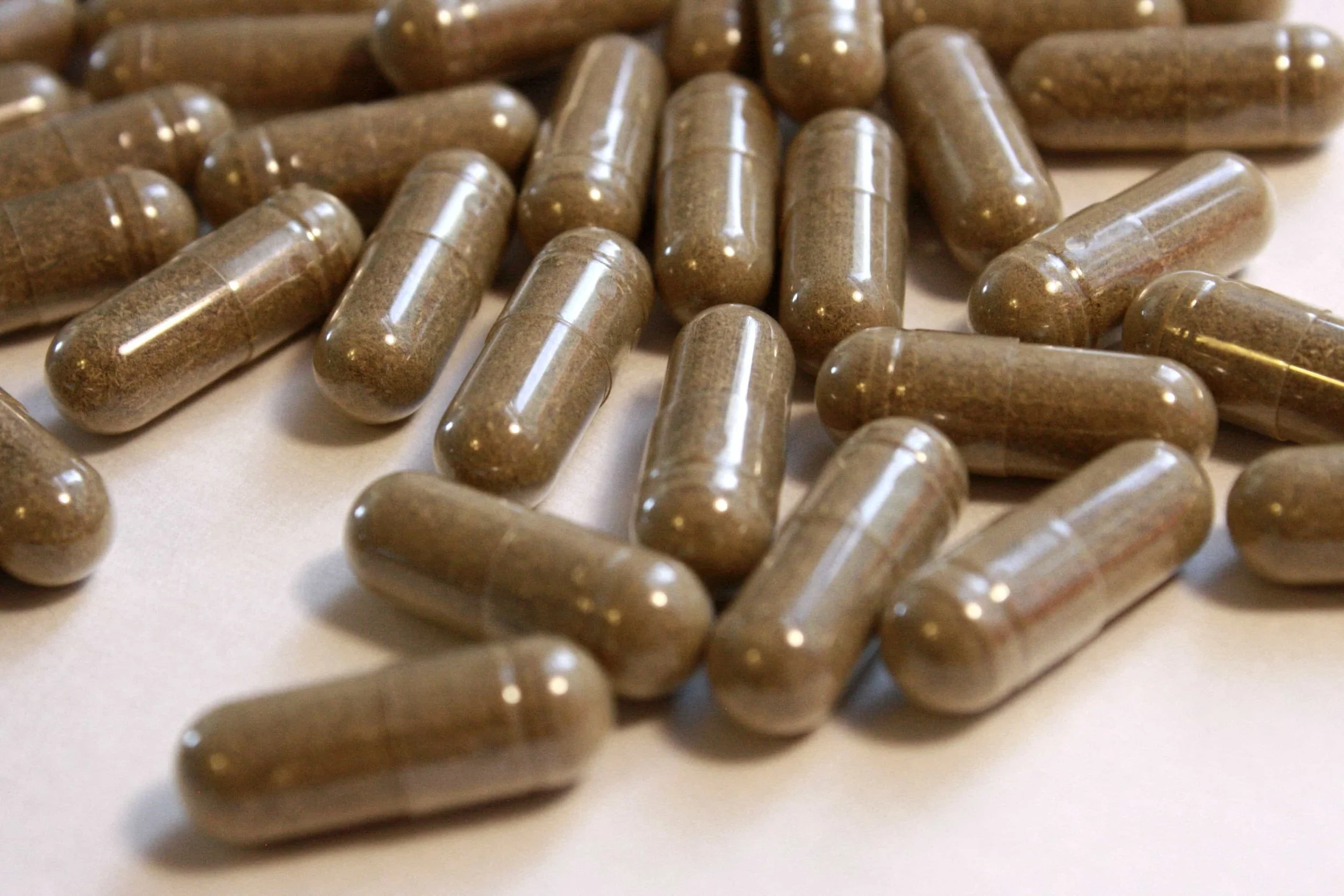
It is a fact that immediately after birthing their young, most mammals consume their placenta instinctively. Certainly, you could simply eat yours the way many women around the world do (there are a variety of different ways to accomplish this), but some prefer to have capsules made as a more palatable way of consuming their placenta.
This is an under-studied practice, so it’s difficult to pin down strong scientific evidence of the risks or benefits, so is mainly anecdotal. Perhaps the most meaningful feedback comes from mothers who have already had a baby and experienced a postpartum period without it, and then have something to compare it to.

Reported positive effects of ingestion include:
Less incidence and/ or severity of the “baby blues” or postpartum depression, thought to result from hormonal balancing provided by ingesting the placenta.
Faster healing, with speedier involution of the uterus after birth and less bleeding.
An increase in the quality and quantity of breast milk.
A restorative effect after blood loss – the placenta concentrates large amounts of nutrients, including iron, resulting in a noticeable increase in energy.
How to Arrange for Services
If you would like to have your placenta encapsulated:
Call or text 541-261-3537 as soon as possible after your baby is born (if it’s the middle of the night, contact me the next day after 9 am.)
In the meantime, keep the placenta cool by putting it in the fridge or in a cooler on ice.
Your refrigerated placenta needs to be processed within 48 hours, so do not delay in contacting me. If time constraints do not permit this, please freeze it
I will return your finished product to you within 2-3 days
Placental Physiology
The placenta is an organ that grows inside the uterus during pregnancy that, through the umbilical cord, links the baby to the mother’s bloodstream in order to supply nutrients and oxygen to the growing fetus.
Unlike any other organ in the human body, placentas have a temporary lifespan and exist only for the purpose of growing a baby. Arteries in the mother’s uterus pool at the placental attachment site, becoming loose and vein-like in that they do not continue to constrict like other arteries. This pooling blood bathes the placental membranes, where, without mixing the two blood supplies, nutrients and oxygen are transported into fetal circulation.
The placenta also produces hormones that support the pregnancy, and filters wastes such as carbon dioxide out of the baby’s bloodstream. The placenta serves as a barrier to many toxins for the baby, preventing many harmful substances from reaching the baby. The placenta does not filter all chemicals, however, and substances like alcohol and some prescription drugs can reach the baby.
By the end of pregnancy, the placenta is a large, thick organ, about the same diameter as a salad plate, and usually weighs around 20% of the weight of the baby. Within a few minutes of the birth, the mother’s body sheds the placenta and it, too, is born. The mother’s uterus then clamps down, pinching off the loose arteries. The place in your uterus where your placenta was attached is a site that needs rest and care after birth, in order to heal properly. This is an invisible wound that takes time to heal. Fascinatingly, the process of uterine healing after birth is actually thought to be assisted by consuming the placenta. Isn’t it incredible that the very remedy for this need is created by your own body?
If you wish to view your placenta after the birth, ask your care provider to show it to you, if for no other reason than for educational or anatomical learning.
If you birth in a hospital, it will likely be thrown away shortly after the birth unless you exercise your right to keep it. Many parents are not informed about the uses and interesting traditions surrounding placentas.
Considerations
Do you have any blood borne diseases, such as hepatitis or HIV? If so, I am sorry, but for health safety reasons, I am unable to process your placenta for you.
Sometimes, if certain problems are indicated at the time of birth, physicians will send placentas to the lab to be studied for pathology. Unfortunately, in this case, you will not be able to save your placenta.
TESTIMONIAL
“When we learned that our second child was on her way, we knew that all the knowledge we had gained would lead us down a different road. Encapsulating the placenta was not something I had even heard of during my first pregnancy, but I knew it was something I needed to have done this second time around.
What a difference it made for me after the birth! I didn’t really realize how much they were helping until I slacked on taking them for a day and a half, and felt my hormones start getting out of control.
I am so thankful that I took this medicine that was designed perfectly for me. Not only did I receive my placenta pills, Stella created the most beautiful print that still hangs on my wall. She also twisted the umbilical cord into a small heart and dried it, as a visual reminder our amazing connection during those forty-two weeks! There is no doubt in my mind that when we are blessed with our third child, we will encapsulate the placenta again.”
—R.H.
Please consider sending me a testimonial about how you felt taking placenta pills impacted your postpartum period.
Many thanks to Jessica “Veege” Ruediger for her contributions here.