
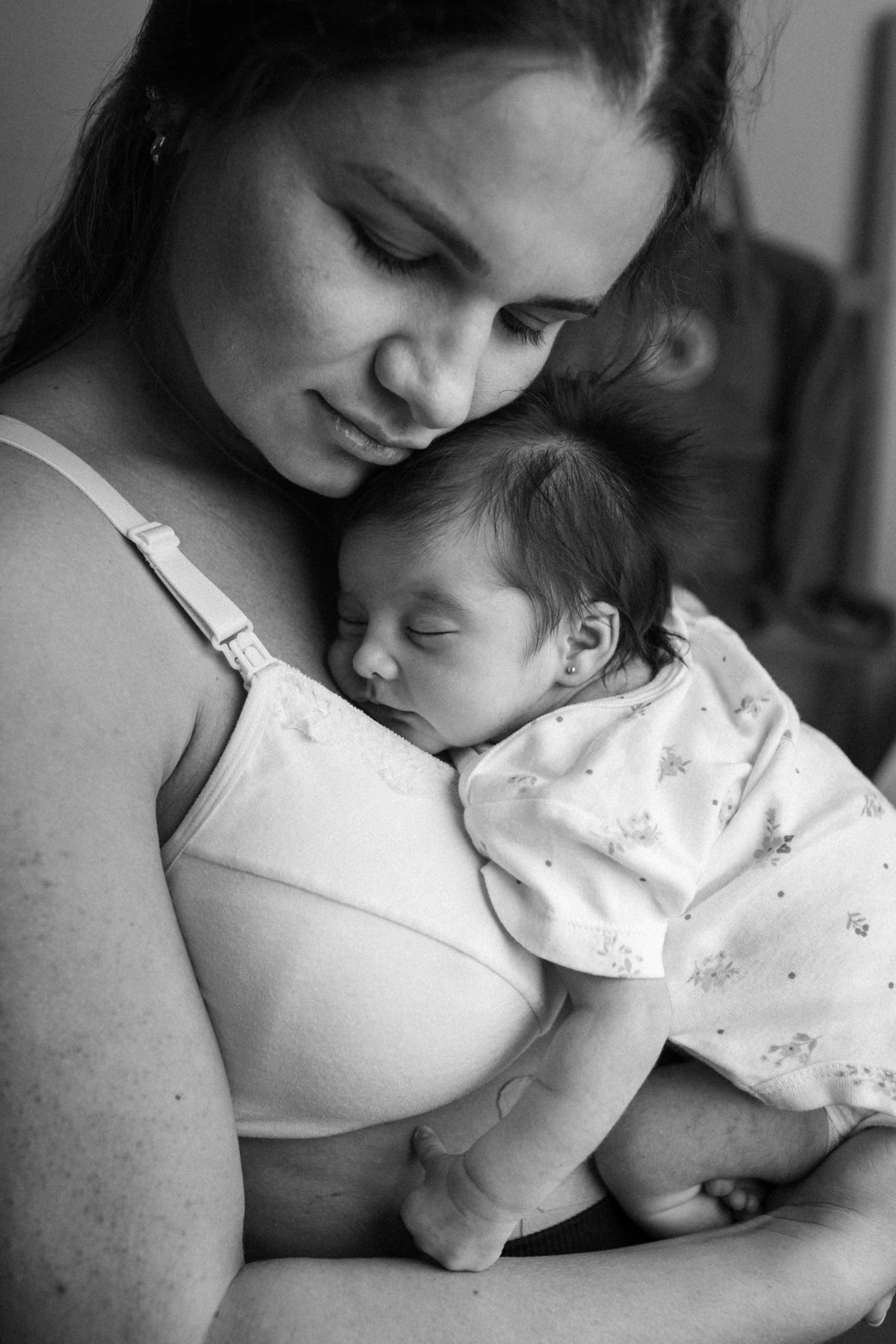
Midwife Means “With Woman”
Midwife: Noun, Etymology: Middle English midwif, from mid with (from Old English) + wif woman
-Merriam Webster Dictionary
Midwives help to guide and protect the emotional, social, and physical well-being of the mother and baby through the childbearing year—a time of immense transition.
Today, a midwife holds two things in one palm at the same time: trust in the ancient wisdom of the human body, and the clinical skills and knowledge necessary to navigate maternal care in the context of a modern world. This means blending the art of ushering families through a vulnerable time of life with evidence-based best practices, monitoring the health of the mother-baby dyad, and minimizing invasive technological interventions.
Choosing to birth at home with a midwife means more than just a choice of location; it means participating in a different culture of maternity care. The answers to all of your questions throughout the childbearing process will be different, and at the time of birth, power dynamics are reversed from that experienced in the obstetrical model. A midwife is a guest in your home, who respects your process as your own.
“We are born of love; love is our mother.”
Birth has a way of bringing a person into direct contact with the depth of their own inner resources. This self-discovery of one’s own strength is a rite of passage, just as a baby’s gentle arrival is a birthright.
How we are born creates a foundational blueprint— one that forms first impressions of the world and our primary relationships. The texture and tone set by these earliest of experiences is lasting and profound.
As guardians of physiologically normal birth and keepers of the ancient tradition of women helping women, midwives hold history in one hand, and the future in the other.
“Direct entry-midwifery is not a subset of obstetric practice, or even of nurse midwifery. It is not less than, or heirarchically beneath either of them. This expression of midwifery is its own beautiful tradition. It was the first model of care, and one that has withstood the test of time.
”
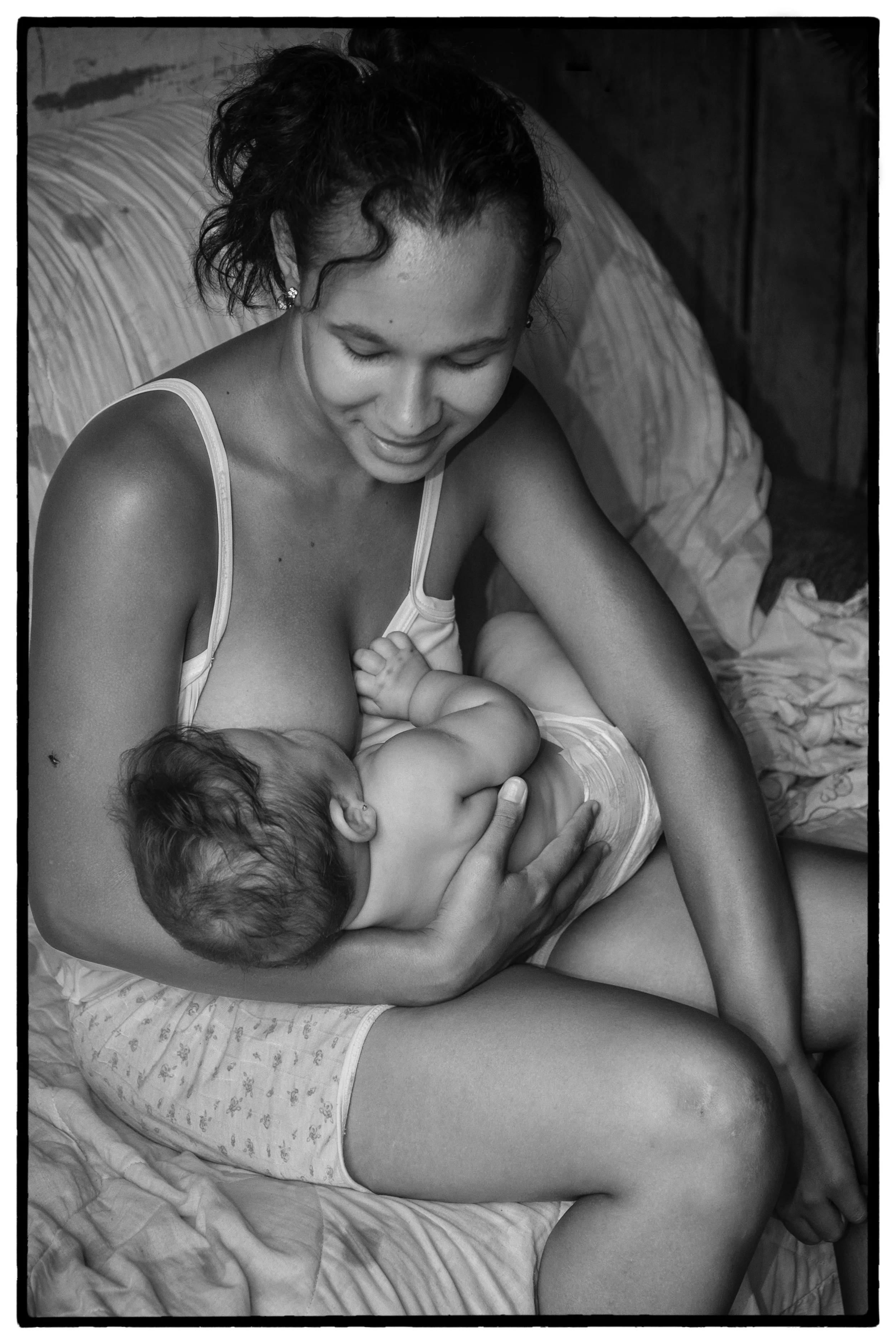
Professional Midwifery Credentials: What the Letters Mean
A certified direct-entry midwife, or CDM, which is what I am, is an educated, professional birth attendant and a primary care provider for mother and baby. (This is distinct from “lay midwife” — a title which implies a lack of formal education.)
CDMs receive specialized training and education in scientific, evidence-based healthcare and best practices specific to maternity care and childbirth. Such a midwife has no hospital privileges; she attends births only in client’s homes or at freestanding birth centers.
A CDM’s scope includes the full extent of prenatal, postpartum and well-newborn care, as well as clinical responsibility during labor and birth. In Alaska, this credential is governed and regulated by the State of Alaska Board of Certified Direct-Entry Midwives. Every state has its own laws surrounding direct-entry midwifery.
To receive her credentials in Alaska, the CDM completes a course of didactic education, passes a national Board Exam through the North American Registry of Midwives, or NARM, and is apprentice-trained by senior midwives in an age-old tradition of passing down skills and wisdom. Just like other types of practitioners, CDMs regularly participate in continuing education to maintain their licenses.
Some CDMs are also CPMs, or certified professional midwives, registered through NARM. (I am both a CDM, CPM, and also licensed as a direct-entry midwife in Oregon, where the credential is LDM.)
To read about other kinds of maternity care providers, look here.