
Midwife Means “With Woman”
Midwife: Noun, Etymology: Middle English midwif, from mid with (from Old English) + wif woman
-Merriam Webster Dictionary
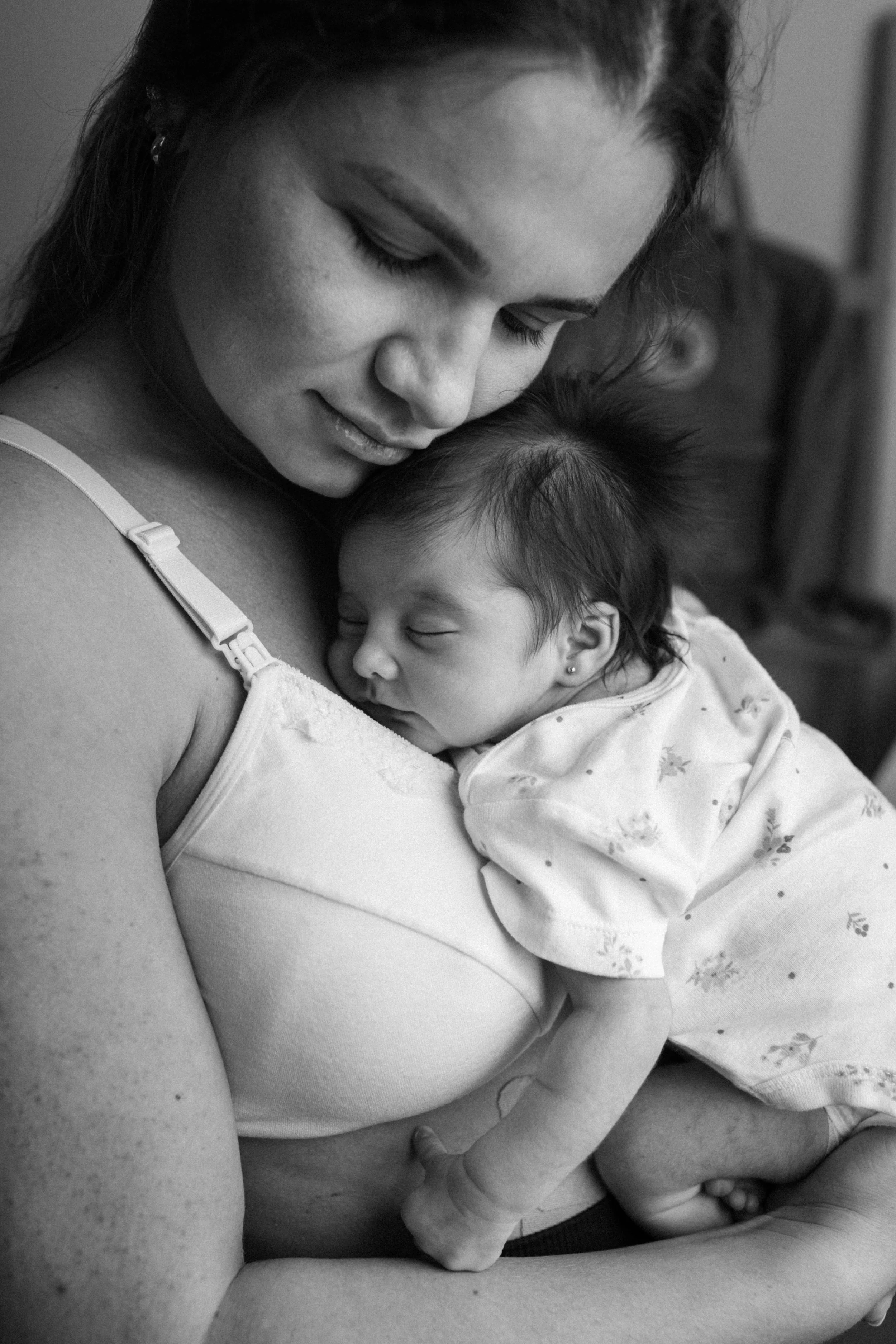
Midwives help to guide and protect the emotional, social, and physical well-being of the mother and baby through the childbearing year—a time of immense transition.
Today, a midwife holds two things in one palm at the same time: trust in the ancient wisdom of the human body, and the clinical skills and knowledge necessary to navigate maternal care in the context of a modern world. This means blending the art of ushering families through a vulnerable time of life with evidence-based best practices, monitoring the health of the mother-baby dyad, and minimizing invasive technological interventions.
Choosing to birth at home with a midwife means more than just a choice of location; it means participating in a different culture of maternity care. The answers to all of your questions throughout the childbearing process will be different, and at the time of birth, power dynamics reversed from that experienced in the obstetrical model. A midwife is a guest in your home, who respects your process as your own.
I see my role in your care as facilitating a healthy and gentle passage for your baby, from the safety of your womb into your arms with as few interferences as possible, while also being ready to jump in and act as a safety net as the moment calls for it.
I am honored to support you in coming into the fullness of yourself as a mother on your own terms.
“We are born of love; love is our mother.”
-Rumi
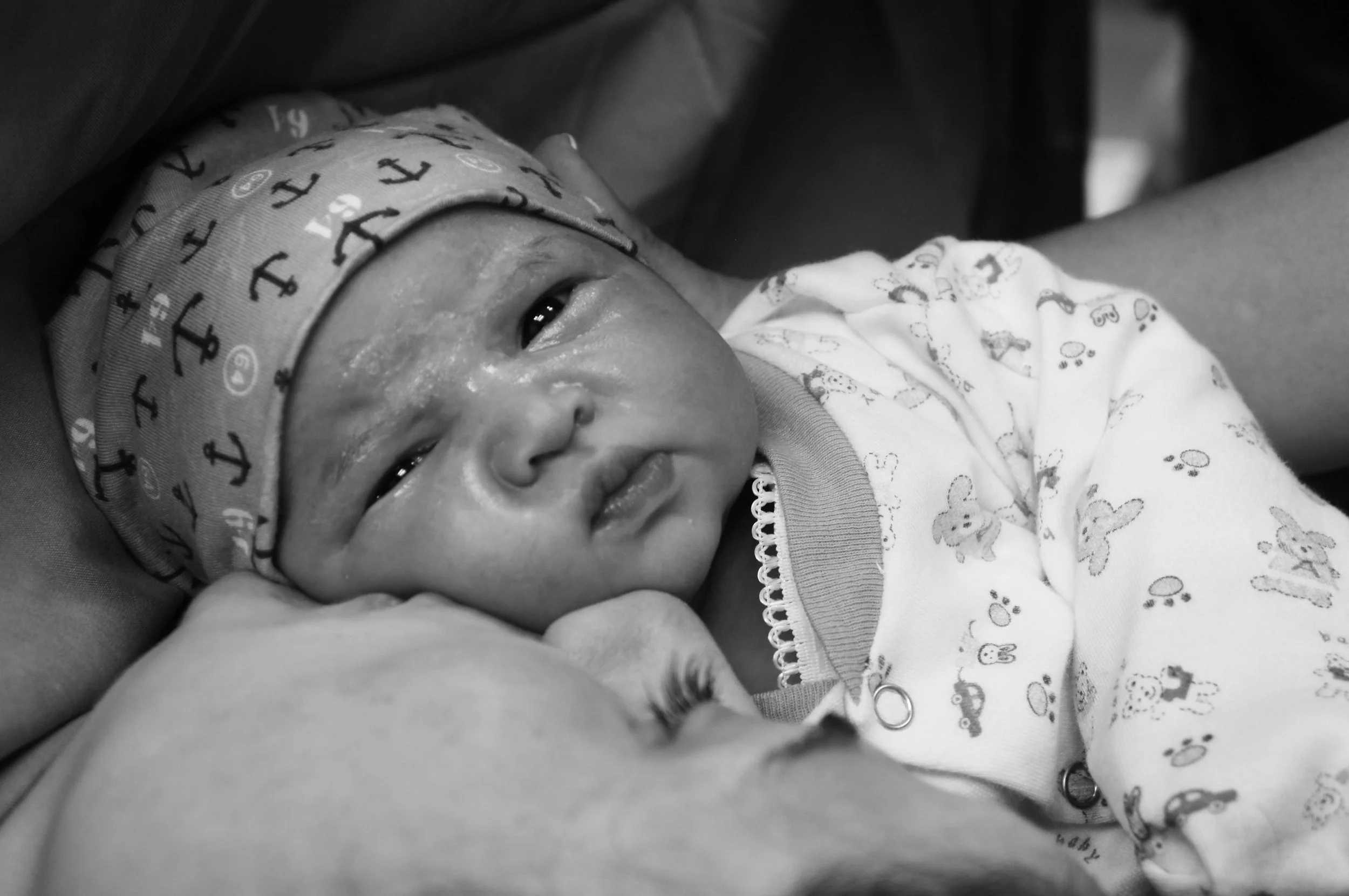
Birth has a way of bringing a person into direct contact with the depth of their own inner resources.
This self-discovery of one’s own strength is a rite of passage, just as a baby’s gentle arrival is a birthright.
How we are born creates a foundational blueprint— one that forms first impressions of the world and our primary relationships.
The texture and tone set by these earliest of experiences is lasting and profound.
What Do These Credentials Mean?
A certified direct-entry midwife, or CDM, which is what I am, is an educated, professional birth attendant and a primary care provider for mother and baby. (This is distinct from “lay midwife” — a title which infers a lack of formal education.)
CDMs receive specialized training and education in scientific, evidence-based healthcare and best practices specific to maternity care and childbirth. Such a midwife has no hospital privileges; she attends births only in client’s homes or at freestanding birth centers.
A CDM’s scope includes the full extent of prenatal, postpartum and well-newborn care, as well as clinical responsibility during labor and birth. In Alaska, this credential is governed and regulated by the State of Alaska Board of Certified Direct-Entry Midwives. Every state has its own laws surrounding direct-entry midwifery.
To receive her credentials in Alaska, the CDM completes a course of didactic education, passes a national Board Exam through the North American Registry of Midwives, or NARM, and is apprentice-trained by senior midwives in an age-old tradition of passing down skills and wisdom. Just like other types of practitioners, CDMs regularly participate in continuing education to maintain their licenses.
Some CDMs are also CPMs, or certified professional midwives, registered through NARM. (I am both a CDM, CPM, and also licensed as a direct-entry midwife in Oregon, where the credential is LDM.)
Two Other Types of Maternity Care Providers:
A certified nurse midwife, or CNM, is a provider with a nursing degree and a master’s degree in Midwifery. With some exceptions, CNMs tend to orient more to a medical model of care while also, to different extents, holding aspects of the midwifery tradition. Often they attend births in hospitals and work under the supervision of a physician or OB-GYN. Some are independent and may practice in freestanding birth centers. The certifying body for Certified Nurse-Midwives in the U.S. is the American Midwifery Certification Board (AMCB).
Obstetrician-gynecologists, or OB-GYNs are medical doctors certified by the American Board of Obstetrics and Gynecology (ABOG), who specialize in women’s health and maternity care. They typically only attend births in hospitals. Some doctors attending births are not OB-GYNs, but MDs or another type of physician.